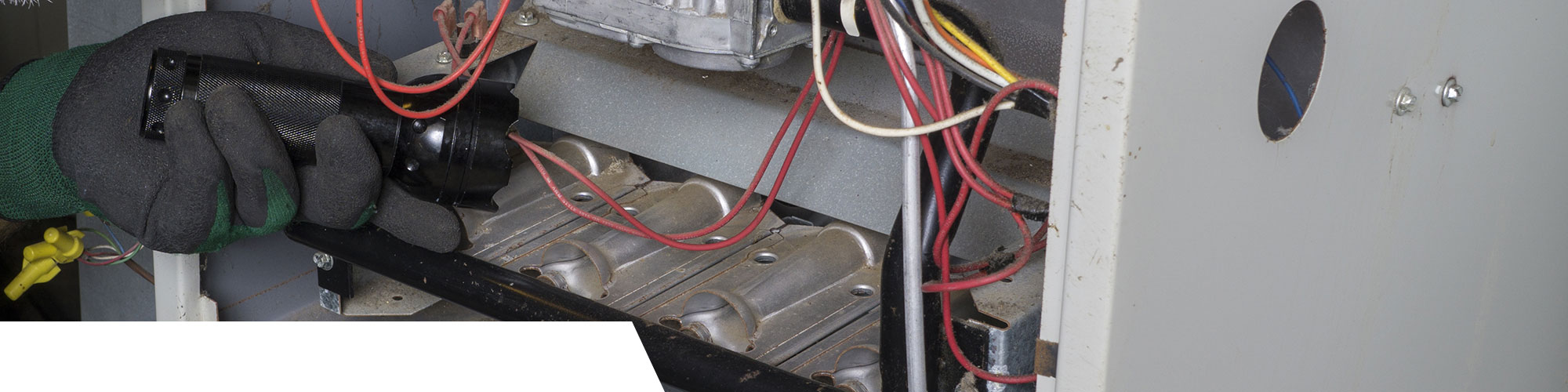
Furnace Tune‑Ups & Annual Heating Maintenance in Des Moines
Annual furnace maintenance helps your heating system run safely, efficiently, and reliably during an Iowa winter. Thrasher Service provides professional furnace tune-ups and heating maintenance throughout Des Moines, West Des Moines, Ankeny, Waukee, and surrounding metro communities.
Our certified HVAC technicians inspect, clean, test, and evaluate your heating equipment so you understand its condition before peak heating season. Thrasher Service has served Central Iowa since 1978 and provides clear recommendations, transparent pricing, and 24/7 help when an urgent heating problem occurs.
Why Des Moines Area Homeowners Should Schedule a Furnace Tune‑Up
A furnace can operate for months without an obvious problem while dirt, wear, restricted airflow, or loose electrical connections gradually affect performance.
Annual heating maintenance can:
- Identify developing problems before peak heating season
- Reduce the risk of preventable winter breakdowns
- Support safe operation of fuel-burning equipment
- Improve airflow and comfort
- Help the system operate closer to its intended efficiency
- Reduce unnecessary strain on heating components
- Provide a documented report of system condition
- Support manufacturer maintenance requirements when applicable
- Give you time to plan repairs instead of making decisions during an emergency
Maintenance cannot prevent every failure, but it can make surprise no-heat calls less likely and help your furnace handle long periods of cold-weather operation.
What We Include in aFurnace Tune-Up?
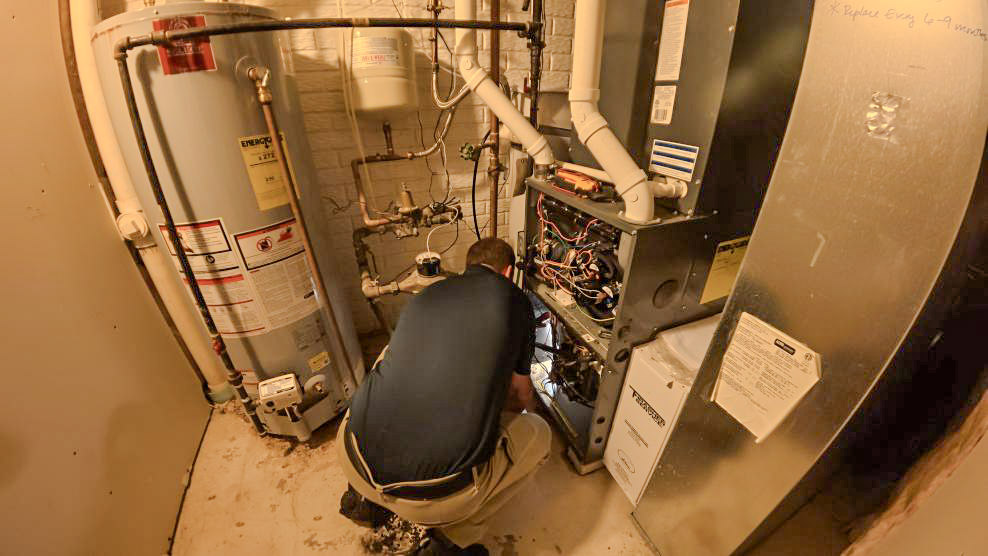
Thrasher Service’s certified HVAC technicians perform a detailed multi-point inspection and cleaning based on the type and condition of your heating system.
A typical furnace tune-up includes:
- Inspecting the heat exchanger for visible cracks or corrosion
- Cleaning and checking burners
- Verifying flame sensor and igniter operation
- Checking gas pressure and combustion performance when applicable
- Testing for carbon monoxide
- Verifying safety-control operation
- Checking blower motor operation and amperage
- Lubricating appropriate components where applicable
- Inspecting the air filter
- Replacing the filter when arranged or customer supplied
- Calibrating the thermostat
- Running a complete heating cycle
- Inspecting electrical connections and wiring
- Cleaning the condensate trap and drain on high-efficiency furnaces
- Inspecting the vent or flue for proper draft
- Checking visible duct conditions and system airflow
- Measuring temperature rise
- Documenting findings
- Reviewing any recommended repairs
The exact checklist may vary for gas furnaces, electric furnaces, heat pumps, dual-fuel systems, and other heating equipment.
How Often Should You Schedule Furnace Maintenance?
Most homeowners should schedule professional furnace maintenance once per year. Early fall is a convenient time because the furnace can be inspected before it begins running every day and before HVAC schedules become busier during the first cold weather.
Annual maintenance may be especially important when:
- The furnace operates for long periods during winter
- The system is older
- The home has pets or heavy dust
- The furnace has required repairs in the past
- A manufacturer requires documented maintenance
- The system serves a home with occupants who are sensitive to temperature or air-quality changes
Schedule service sooner when you notice a new sound, odor, cycling problem, weak airflow, uneven heat, higher utility use, water near the furnace, or an ignition issue.
What Are the Signs Your Furnace Is Overdue for Maintenance?
Contact Thrasher Service when you notice:
- Uneven temperatures between rooms
- Weak airflow from supply vents
- Longer heating cycles than usual
- Frequent starts and stops
- Rattling, squealing, buzzing, or banging sounds
- Burning or dusty odors that continue after startup
- A yellow or unstable burner flame
- Higher heating costs without a clear explanation
- Water around a high-efficiency furnace
- Repeated thermostat or ignition problems
- A furnace that has not been professionally serviced in more than a year
Turn the heating system off and seek immediate help if you smell gas, see smoke, hear a carbon monoxide alarm, or believe the furnace is operating unsafely.
Furnace Maintenance vs. Waiting for a Breakdown
A tune-up is planned preventive service. It focuses on inspection, cleaning, testing, adjustment, and documenting the system’s condition.
Furnace repair addresses a specific failure or symptom, such as no heat, a failed motor, an ignition problem, a damaged control board, a thermostat malfunction, or a safety shutdown.
Waiting for a breakdown can turn a manageable repair into a no-heat emergency during the coldest part of winter. Annual maintenance gives the technician an opportunity to identify worn or dirty components before the furnace is under its greatest seasonal demand.
If a tune-up reveals a repair need, the technician will explain the problem, available options, and price. Additional work begins only after you approve it.
Can a Furnace Tune-Up Lower Heating Bills?
A clean, properly adjusted furnace can use energy more effectively than a system operating with restricted airflow, dirty burners, incorrect settings, or worn components.
Actual savings vary because heating costs also depend on:
- Outdoor temperatures
- Thermostat settings
- Home insulation
- Air leakage
- Duct condition
- Filter condition
- Equipment age and efficiency
- Household heating habits
Maintenance is most effective when combined with regular filter changes, open supply and return vents, appropriate thermostat settings, and a well-sealed home.
How Does Furnace Maintenance Support Safe Operation?
Fuel-burning furnaces create combustion gases that must remain separated from the home’s air and vent safely outdoors. A professional tune-up checks combustion-related components, the heat exchanger, safety controls, and venting conditions.
The technician also performs carbon monoxide testing and looks for visible conditions that could affect operation.
Every home with fuel-burning equipment should have properly installed and working carbon monoxide alarms. Furnace maintenance supports safety, but it does not replace household carbon monoxide detectors.
What Can Homeowners Do Between Tune-Ups?
Homeowners can perform several basic maintenance tasks without opening or altering the furnace:
- Check the air filter regularly
- Replace dirty disposable filters as needed
- Keep supply and return vents open
- Keep furniture and rugs away from vents
- Remove clutter and combustible materials from around the furnace
- Keep outdoor intake and exhaust openings clear
- Test smoke and carbon monoxide alarms
- Replace thermostat batteries when required
- Watch for changes in sound, odor, airflow, or heating performance
Do not adjust gas pressure, bypass safety switches, open sealed combustion components, or attempt electrical repairs without appropriate training.
Proudly Serving the Des Moines Metro Since 1978
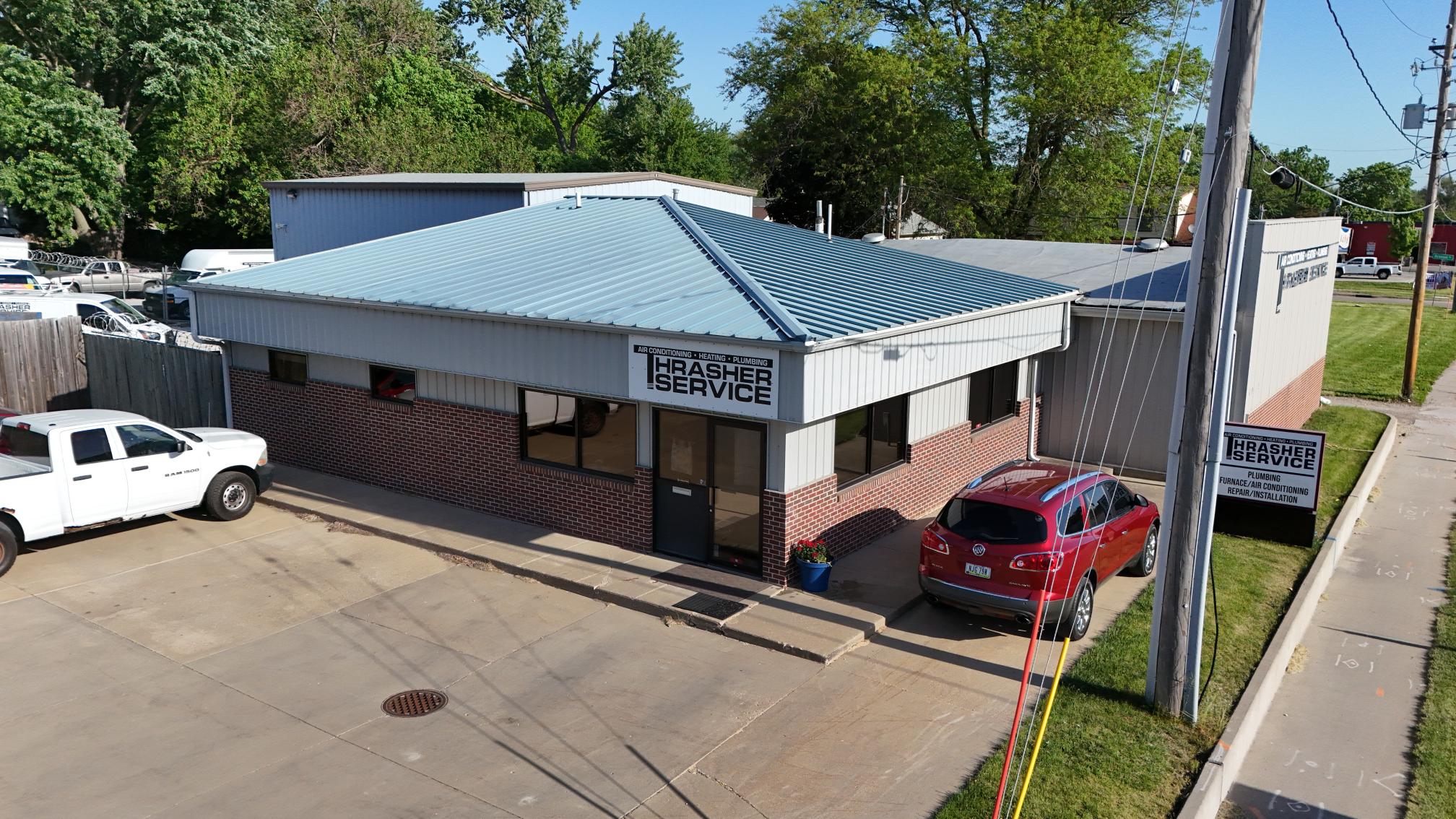
From Beaverdale and the East Village to West Des Moines, Waukee,Johnston and beyond, our heating systems specialists are on the road every day across Polk, Dallas, and Warren counties—including:
- Des Moines
- West Des Moines
- Urbandale
- Ankeny
- Waukee
- Johnston
- Clive
- Altoona
- Pleasant Hill
- Grimes
- Norwalk
- Bondurant
- And More… If you’re close to Des Moines, give us a call. We can likely service your home!
When Should You Consider a Furnace Replacement?
Annual maintenance can help a furnace operate reliably, but it cannot reverse major age-related wear or repair a seriously damaged component.
Replacement may be worth discussing when:
- Repairs are becoming frequent
- The furnace struggles to heat the home
- A major safety-related component is damaged
- Parts are becoming difficult to obtain
- Energy use remains high despite proper service
- The system is approaching the end of its useful life
- A major repair would cost a significant portion of replacement
Thrasher Service can explain the condition of your furnace and help you compare repair and furnace replacement options. The decision remains yours.
Thrasher's Process Makes Everything Easy
- Schedule a convenient appointment and receive service updates.
- Meet your technician and explain any comfort or performance concerns.
- The technician completes the tune-up and safety testing.
- We document our findings and explain the condition of the system.
- You receive clear pricing for any recommended repair.
- The technician answers your questions and provides practical maintenance tips.
Our goal is to help you make informed decisions without pressure or surprise charges.
Benefits You Will Feel All Winter
- Tune-ups designed for the demands of Midwest winters
- Improved airflow and more consistent comfort
- Smart thermostat optimization and programming options
- Indoor air quality recommendations based on your existing system
- Priority scheduling options through available maintenance plans
- Clear records of maintenance and system condition
- Access to 24/7 heating help if an urgent problem develops
Call Thrasher to Make Your Heating System Ready for Winter!
Stay warm and worry‑free. Call Thrasher Service or schedule your furnace tune‑up online today.
Frequently asked questions about furnace tune‑ups
How long does a furnace tune-up take?
Most visits take approximately 60 to 90 minutes, depending on the system, its condition, equipment access, and whether an additional problem needs to be diagnosed.
Will a tune-up prevent every furnace breakdown?
No. Maintenance cannot prevent every mechanical or electrical failure. It can identify many developing concerns, reduce preventable problems, and help prepare the furnace for sustained winter operation.
Do you service heat pumps?
Yes. Thrasher Service provides heating maintenance for heat pumps. The inspection process is adjusted for the equipment and may include outdoor components, defrost operation, airflow, controls, and auxiliary heat.
What furnace brands do you service?
Thrasher Service maintains major furnace brands and models. Tell us what type of equipment you have when scheduling so we can prepare for the appointment.
How much does furnace maintenance cost?
Furnace tune-ups may cost as little as $125. Pricing can vary based on the system, current offer, equipment condition, number of units, filter requirements, and additional diagnostic work. Contact Thrasher Service to confirm current pricing.
Does furnace maintenance help protect the warranty?
Some manufacturers require documented professional maintenance as part of their warranty terms. Requirements vary, so review the warranty for your specific furnace and keep copies of service records and invoices.
Should I change the filter before the appointment?
You may replace a dirty disposable filter before the visit or leave it in place so the technician can evaluate its condition. Have the correct replacement available if filter replacement is not included in the scheduled service.
